
FIFA Extends AFCON 2025 Player Release to December 15 for Club Schedule Relief
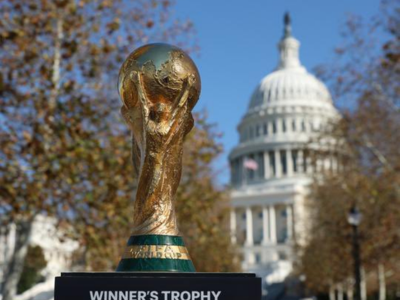
Credit:
FIFA has confirmed that clubs must release players for the 2025 Africa Cup of Nations (AFCON) no later than December 15, extending the deadline by seven days from the original December 8 requirement.
The adjustment, designed to mirror the 2022 World Cup model, gives European clubs more time to manage their congested December schedules.
The decision was outlined in a circular from FIFA Secretary General Mattias Grafström following consultations with the Confederation of African Football (CAF) and other stakeholders. By reducing the mandatory release period, FIFA aims to minimize disruptions, allowing stars such as Mohamed Salah (Egypt, Liverpool) and Andre Onana (Cameroon, Manchester United) to feature in Champions League fixtures on December 9–10 and Europa League ties on December 11, as well as domestic league matches.
"By exceptional application of the same principle used for the FIFA World Cup 2022, the Bureau decided to reduce by seven days the mandatory release period," FIFA’s statement read, stressing its readiness to mediate disputes between clubs and federations.
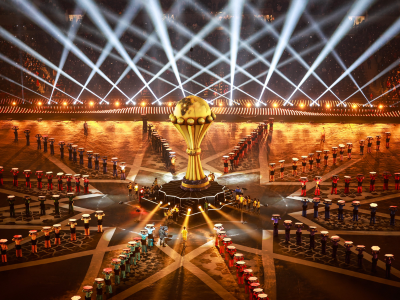
AFCON 2025 will kick off on December 21 in Morocco, with the hosts facing Comoros in the opening match. The tournament runs until January 18, 2026, across five cities. Up to 45 Premier League players are expected to participate, potentially missing three to six league matches.
Clubs, particularly in England, welcomed the extension, with Liverpool manager Arne Slot previously hinting at the need for flexibility. CAF President Patrice Motsepe praised the move as a “spirit of solidarity.”
However, the shortened release period leaves national teams with less than a week to assemble full squads, raising concerns about disrupted friendlies and rushed preparations. FIFA has urged “good faith bilateral discussions” between federations and clubs to find tailored solutions.
The adjustment eases tensions surrounding AFCON’s winter scheduling, which has clashed with Europe’s busy calendar since 2019. Yet it underscores the ongoing friction between club and international football, with the extension likely to influence squad selections and early tournament form in Morocco.




0 Comment(s)